
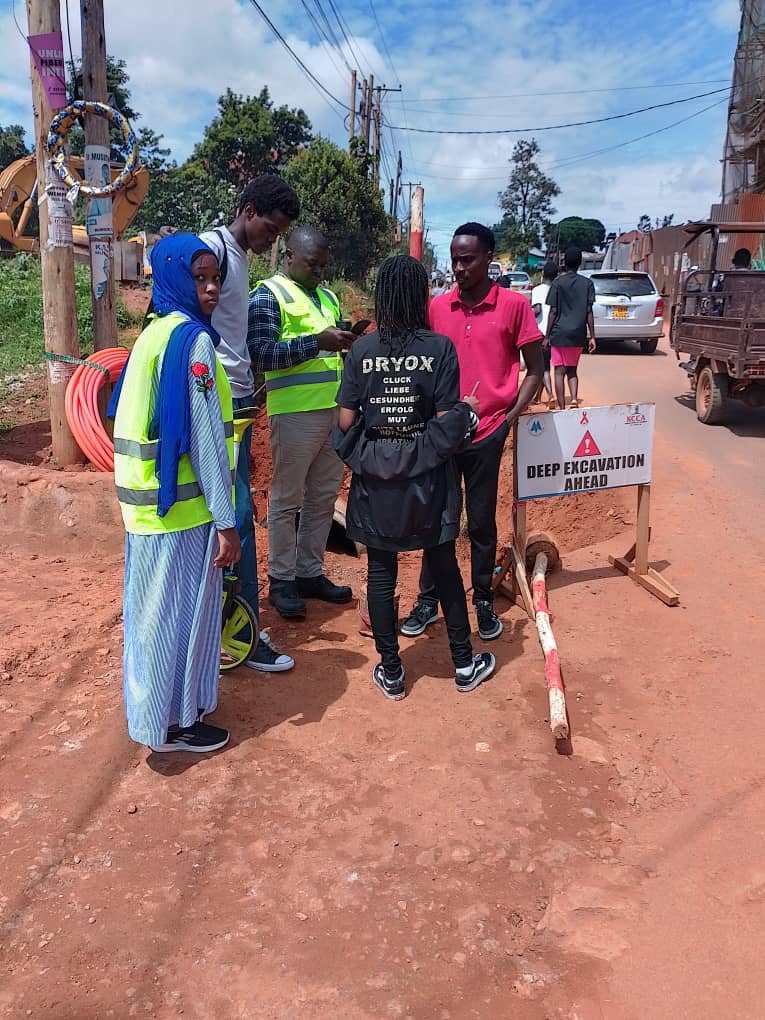
Safety is planned before the shift
Every project should identify its legal, client and contract safety requirements and assign competent responsibility. Before work starts, assess hazards from excavation, lifting, work at height, electricity, traffic, plant, temporary structures, hazardous substances and public access. Eliminate hazards where reasonably practicable, then apply engineered, administrative and personal protective controls in that order.
A site induction explains rules, emergency arrangements, welfare, reporting, restricted areas and the worker's right and duty to raise danger. It is not proof that someone is competent for a specialised task. Verify training and authorisation for operators, electricians, scaffolders and other roles as required. Visitors need proportionate control and supervision.
Make the daily briefing specific
A toolbox talk should address today's location, activity, interfaces, weather, equipment and changes. The supervisor explains the sequence and controls, then invites the crew to identify what was missed. Use language and demonstrations people understand. Collecting signatures without checking understanding turns the form into theatre.
Before starting, inspect access, edges, excavations, scaffolds, lifting gear, guards, electrical supply, fire provisions and required protective equipment as relevant. Separate people from moving plant with physical routes and controlled reversing wherever possible. Stop and reassess when the ground, design, equipment or work method changes.
Protect workers and the public throughout the day
- Keep walkways, emergency routes and work areas clear of waste and trailing leads.
- Provide safe excavation support or battering based on competent assessment.
- Use edge protection and suitable access for height work; ladders are not universal platforms.
- Isolate energy before repair and prevent unauthorised re-energising.
- Store fuels, chemicals and gas cylinders as specified and control ignition.
- Maintain barriers, lighting and signs wherever the public approaches the works.
Heat, rain, fatigue, sanitation and drinking water affect judgement and health. Supervisors should plan breaks and welfare without waiting for an incident.
Report early and learn without concealment
Workers should know how to report a hazard, near miss, injury, damage or environmental event immediately. Provide first aid and emergency response, preserve the scene where safe and complete any notification required by Ugandan law and the contract. Never alter records to protect statistics.
Investigate underlying factors such as design, planning, supervision, equipment, fatigue and communication—not only the last person's action. Assign corrective actions with owners and dates, share relevant learning and verify that controls remain effective. Safety records should include inductions, briefings, inspections, permits, training, equipment checks, incidents and closeout. This guide cannot replace a project-specific risk assessment or competent safety professional; it describes the everyday discipline that makes formal systems real.
Management should review leading indicators such as overdue actions, repeated housekeeping defects, incomplete equipment checks and participation in briefings, not only injury totals. A quiet month can coexist with serious uncontrolled risk. Site walks should include worker representatives and subcontractors, with findings ranked by severity and exposure.
End each shift by leaving excavations, materials, temporary power, access and public boundaries safe for the unattended period. Night rain or unauthorised entry can change the risk before the next crew arrives. The following morning, inspect again rather than assuming yesterday's controls remain in place. Consistent opening and closing routines make safety part of production rather than a separate campaign.
Clients also influence safety through realistic time, budget and design decisions. They should ask how major risks were designed out, review competent supervision and avoid rewarding shortcuts with impossible deadlines. Workers should never pay informal fees for protective equipment required for assigned work. Report serious concerns through the project's escalation route and the competent authorities where necessary.
← Back to all construction insights