
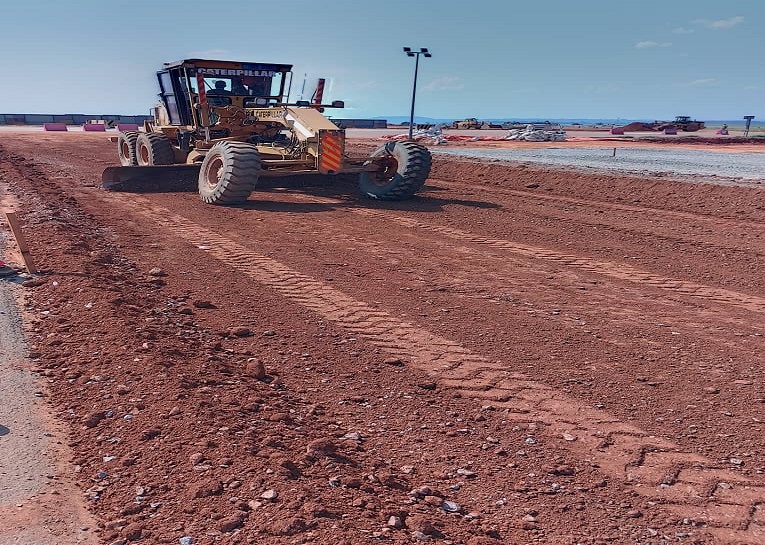
A kilometre is a length, not a scope
Two one-kilometre roads can have radically different costs. One may be a narrow gravel upgrade on firm rural ground; another may require a multi-lane urban pavement, major drainage, utility relocation, lighting, land acquisition and traffic staging. A credible estimate therefore begins with drawings, investigations and quantities—not a rate copied from a news report or another district.
Key drivers include road width, traffic loading, pavement type and thickness, earthworks balance, weak-ground treatment, haul distance, drainage structures, bridges, junctions, road furniture, environmental measures, utility work, land and compensation responsibilities, security, programme and price risk. Location affects access to quarries, plants, fuel, labour and accommodation. Tax treatment and the estimate's base date must be explicit. Any published cost figure without those boundaries is easy to misunderstand.
Build the estimate from measurable parts
A quantity surveyor or estimator measures clearing, excavation, fill, improved subgrade, sub-base, base, surfacing, shoulders, drains, culverts, structures, signs, markings and ancillary work from the current design. Each unit rate is built from material at source, production, loading, transport, waste, labour, equipment output, testing and the commercial allowances permitted by the pricing document.
Preliminaries cover project-specific obligations such as mobilisation, site facilities, supervision, traffic control, insurances and bonds where applicable. Design development, land, utility relocation, professional services and client contingencies may sit outside the construction BOQ, so the total project budget should show them separately. This prevents a low-looking contract subtotal from being mistaken for the complete funding requirement.
Use scenarios instead of false precision
At 30 August 2026, this article deliberately gives no universal UGX-per-kilometre price because a current defensible figure requires a defined route and written market inputs. A useful early estimate can instead compare three documented scenarios: minimum known scope, most likely scope and a higher-risk case. For each, show quantities, source of rates, quotation dates, haul assumptions, taxes, exclusions and contingency logic.
For illustration only, if a measured item has a quantity of 4,000 cubic metres and a project-specific built-up rate of UGX 75,000 per cubic metre, its arithmetic allowance is UGX 300,000,000. Neither the quantity nor rate is presented as a market benchmark. Replace both with design measurements and current supplier, labour and plant evidence before making any decision.
Questions to ask when comparing road figures
- Are both estimates based on the same road width, pavement and drainage scope?
- Do they use the same price date, currency, tax basis and construction period?
- Are haul distances and material sources evidenced?
- Are land, utilities, design, supervision and contingencies included or excluded?
- Has traffic management and continued public access been priced?
- Which quantities remain provisional because investigation or design is incomplete?
Update the estimate as surveys and design mature, and keep a change log explaining each movement. A range at concept stage is more honest than a precise number unsupported by information. Before budgeting or tendering, commission a project-specific estimate from qualified professionals using current quotations and the applicable procurement and contract documents.
When reporting a benchmark, retain the source document and note whether it was a tender sum, awarded contract, forecast final cost or completed outturn. Convert currencies using a stated date and avoid comparing figures from different years without a transparent adjustment. These distinctions often explain apparent cost gaps better than contractor efficiency alone.
← Back to all construction insights