
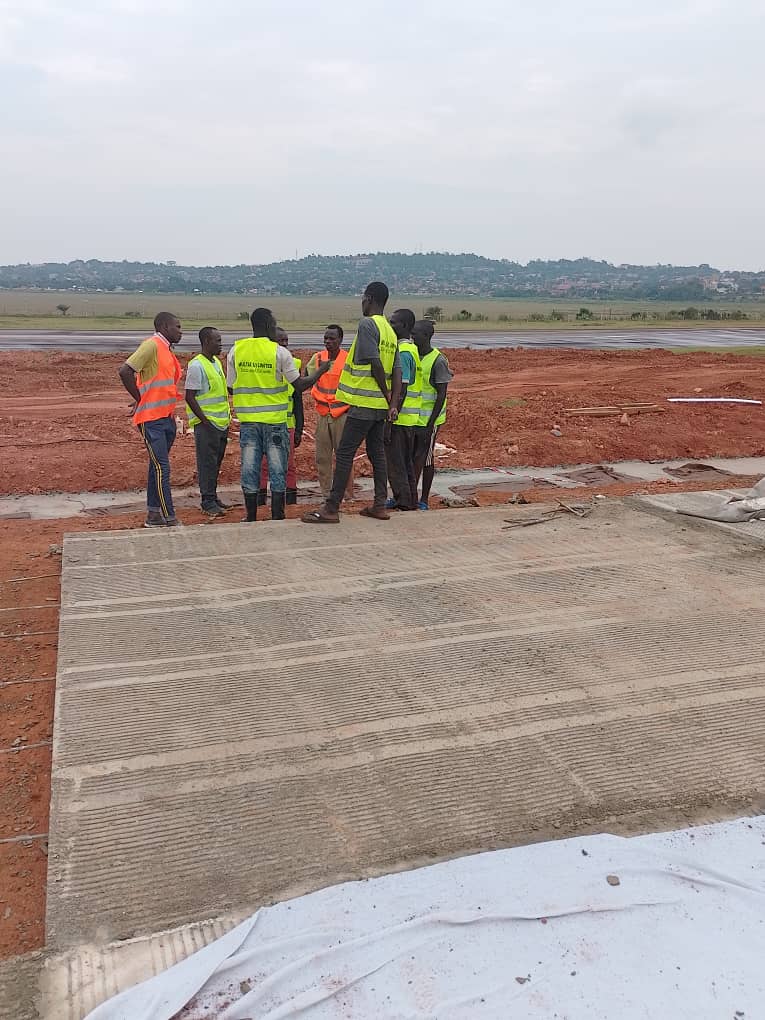
A road starts before machinery reaches site
A paved road is a system, not simply a strip of asphalt. Before excavation begins, the client and design team define the route, expected traffic, design life, drainage outlets, road reserve and connections to existing streets. Surveyors establish control points and record the existing ground. Geotechnical investigations identify weak, expansive or waterlogged soils, while drainage and environmental reviews show where water, utilities, homes and businesses may affect the works.
The construction team should then translate the drawings and specifications into a method statement, programme, inspection plan and traffic-management plan. The exact approvals vary with the road owner and location, so contractors must use the current Ministry of Works and Transport, road-authority and local-government requirements for that contract. Starting earthworks before these fundamentals are settled often creates rework, compensation disputes or drainage problems later.
Earthworks and drainage establish the platform
After clearing only the approved corridor, the team removes unsuitable topsoil and shapes cut-and-fill sections to the design levels. Fill is placed in controlled layers, adjusted to an acceptable moisture condition and compacted. Field density tests, level checks and proof-rolling help reveal soft spots before they are hidden. Where the natural subgrade is weak, the design may require excavation and replacement, mechanical or chemical improvement, geotextiles, or another engineered treatment.
Drainage is built early, not added after the pavement. Culverts, mitre drains, lined or unlined side drains, catchpits and protected outfalls must work as one route for water. Each outlet needs a lawful and stable discharge point. In Uganda's intense storms, a blocked culvert or an outlet that erodes can undermine otherwise sound pavement layers. Temporary drains and erosion controls are also necessary while the permanent system is incomplete.
Pavement layers are accepted one at a time
The approved pavement may include selected subgrade, sub-base, base course and a bituminous surfacing. Material is processed, spread to the required thickness and crossfall, watered or aerated, then compacted with suitable rollers. The supervising team checks grading, plasticity, moisture, density, thickness, levels and surface regularity at the hold points specified for the project. A failed layer should be corrected before the next one makes the defect expensive to reach.
For an asphalt surface, the approved mix is produced and transported so temperature and consistency remain controlled, laid evenly by a paver, and compacted in a planned rolling pattern. A surface-treatment road follows a different sequence of binder spraying, aggregate spreading and rolling. Neither method compensates for a weak base or poor drainage. Shoulders, accesses and junction tie-ins must also shed water safely and support the pavement edge.
Finishing, records and handover
Road signs, markings, guardrails, pedestrian measures and reinstatement complete the physical works. Before opening, the contractor and supervising team inspect the full route, close test non-conformities and prepare a snag list. The handover file should contain approved drawings, material results, survey records, variation instructions, as-built information, warranties and maintenance guidance.
A defects-liability period is not a substitute for good construction; it is a defined time for correcting qualifying defects under the contract. The road owner should also begin routine inspection of drains, shoulders, markings and emerging pavement distress. The useful lesson for any client is simple: require evidence at every concealed stage. A final smooth surface shows appearance, but the records for formation, drainage and pavement layers show how the road was actually built.
← Back to all construction insights