
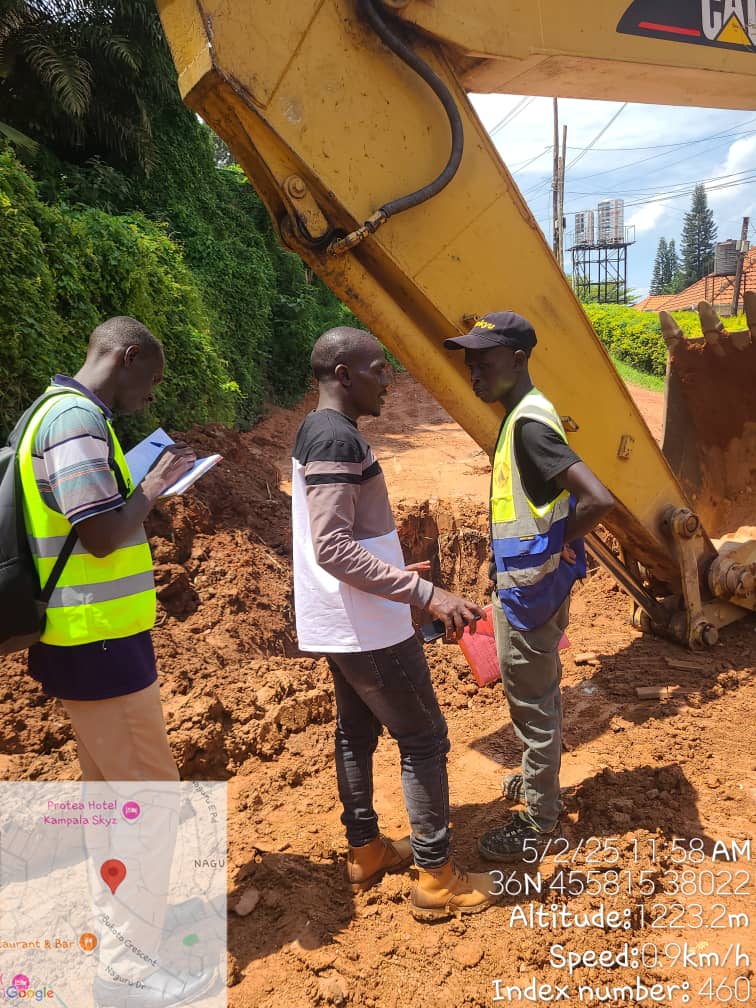
Quality begins at the source
Material control starts before trucks arrive. The project specification defines the required properties, sampling frequency and acceptance process. The contractor should identify proposed quarries, borrow areas, suppliers and plants, then submit representative samples and supporting documents for approval. A good result from one hand-picked sample does not prove that an entire source will remain consistent.
Inspect the source itself: stripping depth, weathered zones, stockpile separation, crushing process, contamination risk and production capacity. Confirm any extraction and environmental permissions that apply. Establish a traceable system linking a delivery or lot to its source, test certificate, location in the works and decision. Material that is awaiting results should be clearly separated from accepted stock. Testing is most valuable when a failed result triggers a defined investigation and corrective action.
What typical controls are trying to reveal
For soils and natural gravels, common investigations examine particle-size distribution, plasticity, moisture-density behaviour, strength and susceptibility to change when wet. Field density and level checks confirm how an approved material was placed. Aggregate controls consider grading, shape, cleanliness, durability and strength. Concrete control includes approved constituents, batching records, workability, test specimens, placement conditions and curing.
Bituminous work needs evidence for binder, aggregates and the designed mixture, plus plant and site controls such as temperature, application or spread, layer thickness, joint quality and compaction. The exact test names, limits and frequencies come from the contract and applicable Ugandan or adopted standards. A blog checklist cannot replace those documents, and a laboratory result should never be altered or selectively omitted to make a lot appear compliant.
A simple site acceptance routine
- Confirm that the current approved source and material submission match the delivery.
- Inspect the load for segregation, contamination, excess moisture or obvious variation.
- Sample using the specified method and identify the sample uniquely.
- Protect, transport and test it through the approved laboratory process.
- Record where the represented lot was placed and hold work where required.
- Compare results with every relevant criterion, not only the favourable values.
- Document acceptance, retesting, removal or an engineer-approved corrective proposal.
Calibrated equipment, competent technicians and witnessed sampling reduce disputes. Duplicate samples may be appropriate where the contract provides for them. Photographs support the record but do not replace test data.
Prevent common material failures
Frequent warning signs include mixed stockpiles, changed quarry faces, unprotected cement, muddy aggregates, uncontrolled water addition, expired calibration, reused sample numbers and results that arrive after the material has been covered. Production pressure is not a reason to skip a hold point. The programme should allow time for approval and routine testing.
Clients should receive a concise quality dossier at handover: source approvals, mix designs, test summaries, non-conformance reports, corrective evidence and as-built locations. Trends matter as much as isolated passes; steadily falling density or changing grading can signal a process drifting out of control. Strong materials management protects money twice—first by preventing defective work, and later by giving the owner evidence for maintenance and any contractual claim.
Hold a brief materials meeting before each new activity. Confirm approved source, expected quantity, sampling responsibility, acceptance time and storage area. This simple coordination prevents trucks waiting while nobody knows who can inspect, and prevents rushed placement before results arrive. The laboratory, site and commercial records should use the same material and lot identifiers.
← Back to all construction insights